Reliable Connectivity for Smarter Fleet Operations
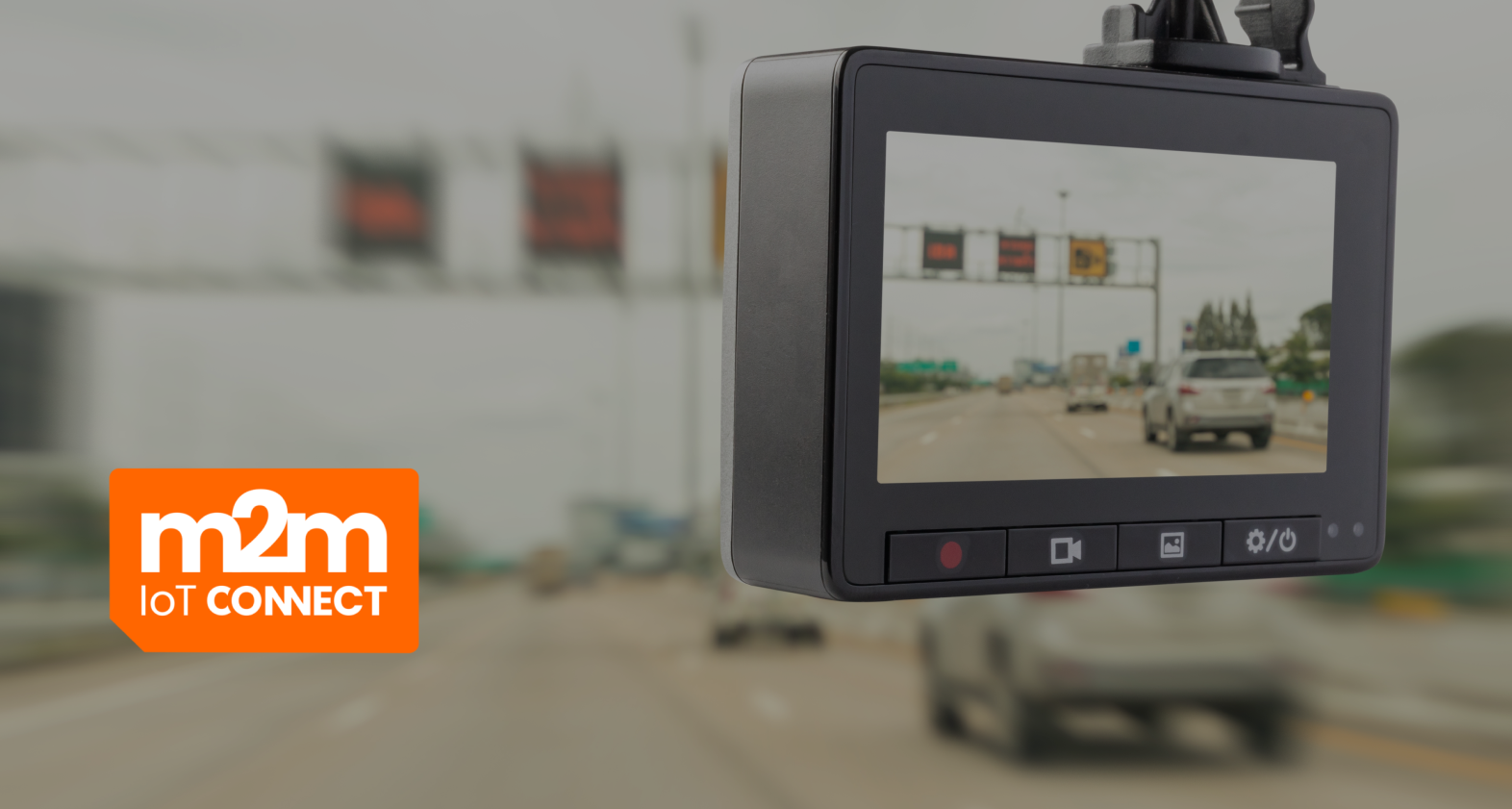
Dashcams have become an important part of modern fleet operations. They help businesses investigate incidents, protect drivers, improve safety and gain greater visibility over vehicles on the road.
However, installing a camera is only part of the solution. For dashcams to upload footage, transmit alerts and communicate with cloud-based platforms, they need a reliable mobile data connection.
This is where IoT connectivity becomes essential.
What Is an IoT-Connected Dashcam?
A traditional dashcam records footage locally, usually onto an internal memory card. The footage may only be accessible once the vehicle returns to a depot or the memory card is manually removed.
An IoT-connected dashcam uses cellular connectivity to communicate with a remote platform. Depending on the device and system being used, this can allow fleet operators to:
Access live or near-live video remotely
Receive incident and collision alerts
Automatically upload important footage
View vehicle location data
Monitor driver behaviour
Investigate insurance claims more quickly
Manage multiple cameras from one platform
This creates a more proactive approach to fleet management. Instead of waiting for a vehicle to return before reviewing an incident, relevant footage and data can be transmitted directly from the road.
Why Reliable Connectivity Matters
Commercial vehicles rarely remain in one location. They travel through towns, cities, rural areas and regions where mobile coverage can vary significantly.
A dashcam connected to a single mobile network may experience reduced coverage when the vehicle moves outside that operator’s strongest service area. This can delay video uploads, interrupt live viewing and prevent alerts from reaching the fleet management platform.
Multi-network IoT SIMs help reduce this risk by allowing connected devices to access multiple available mobile networks rather than depending on one operator.
For fleets, this means dashcams have more opportunities to maintain a stable data connection as vehicles move between locations.
How IoT SIMs Support Connected Dashcams
IoT SIM cards are designed specifically for connected devices and machine-to-machine communication.
Within a dashcam installation, the SIM provides the cellular connection required to transmit footage and data between the vehicle and the cloud platform.
Depending on the dashcam’s features, this may include:
Video clips following sudden braking or impact
GPS and vehicle location information
Driver safety notifications
Device status and diagnostic information
Live video streams
Data from additional vehicle sensors
The amount of data used will depend on factors such as video quality, recording frequency, upload settings and whether live streaming is enabled.
Choosing the correct data plan is therefore important. A dashcam that only uploads short incident clips will have very different requirements from a system that regularly transmits high-definition footage.
Better Visibility Across the Fleet
Connected dashcams can give fleet managers a central view of activity across multiple vehicles.
Rather than managing each camera separately, businesses can use a central platform to review footage, investigate events and monitor device performance. This can be particularly valuable for organisations operating vehicles across different regions or countries.
IoT connectivity management platforms can also give businesses greater control over their SIM estate. This may include visibility over data usage, SIM status, alerts and connectivity performance.
With the right management tools in place, businesses can identify unusual data consumption, monitor active connections and manage larger dashcam deployments more efficiently.
Supporting Driver Safety
Dashcams are not only used to record accidents. They can also support wider driver safety programmes.
Connected systems can detect events such as harsh braking, sudden acceleration or collisions. When combined with telematics data, footage can provide useful context around what happened before, during and after an event.
This information can help businesses:
Investigate incidents accurately
Identify opportunities for driver training
Respond to false or disputed claims
Improve internal safety procedures
Recognise examples of safe driving
Reduce the time spent gathering evidence
The objective is not simply to monitor drivers. It is to give fleet operators the information they need to protect their teams, vehicles and customers.
Security for Connected Camera Systems
Dashcam footage may contain sensitive information, including vehicle locations, driver activity and recordings of public spaces.
Connectivity should therefore be considered as part of the wider security strategy.
Solutions such as private APNs, VPNs and fixed IP connectivity can help businesses create more controlled communication between connected devices and their platforms. The appropriate setup will depend on the dashcam hardware, software platform and security requirements of the deployment.
Businesses should also consider how footage is stored, who can access it and how long recordings are retained.
Choosing the Right IoT Connectivity
Every connected dashcam project is different. Before selecting an IoT SIM or data plan, businesses should consider:
The number of vehicles being connected
Where the vehicles will operate
The networks available in those locations
How frequently footage will be uploaded
Whether live streaming is required
The average size of uploaded video files
Security and IP address requirements
Whether the deployment may expand in the future
Testing connectivity before a full rollout can also help businesses understand coverage, data consumption and device performance under real operating conditions.
IoT Connectivity from M2M IoT Connect
M2M IoT Connect provides IoT and M2M connectivity for connected devices, including dashcams, telematics equipment, vehicle trackers and other fleet technologies.
Our multi-network IoT SIM solutions help devices stay connected as vehicles move between different coverage areas. Businesses can also manage connectivity through an IoT platform offering SIM management, usage analytics, notifications and reporting tools.
From an initial trial to a large fleet deployment, we can help you choose a connectivity solution based on your device, coverage, data and security requirements.
Keep Your Dashcams Connected
Connected dashcams can provide fleet operators with faster access to footage, better incident visibility and greater control over vehicle safety.
However, their performance depends on the connection behind them.
With reliable IoT connectivity, the right data plan and effective SIM management, businesses can build a dashcam solution that remains connected wherever their vehicles operate.
Speak to the M2M IoT Connect team to discuss the right IoT SIM and connectivity solution for your connected dashcam deployment.