Exploring the Future of Manufacturing, Automation and Connected Technology
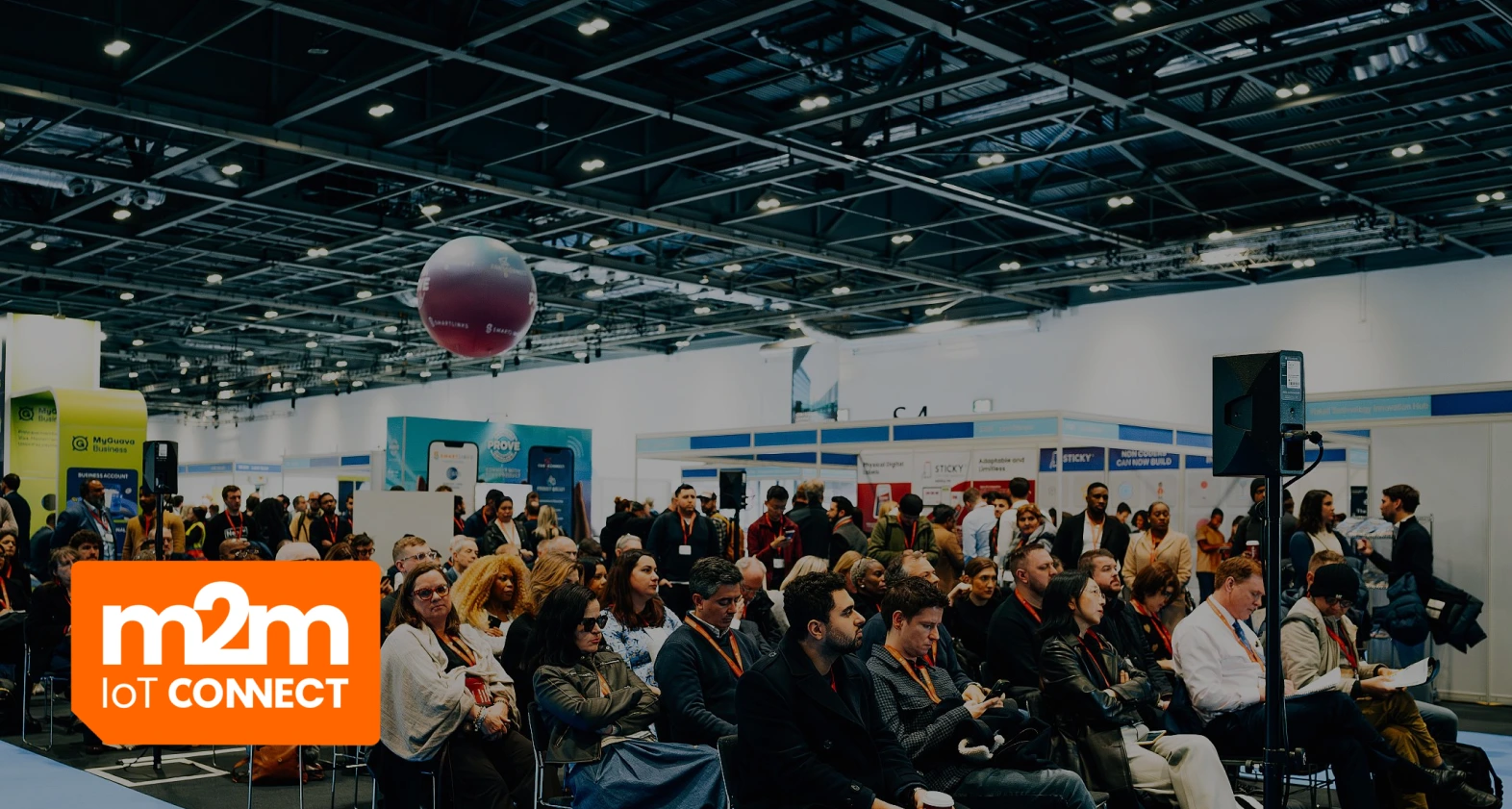
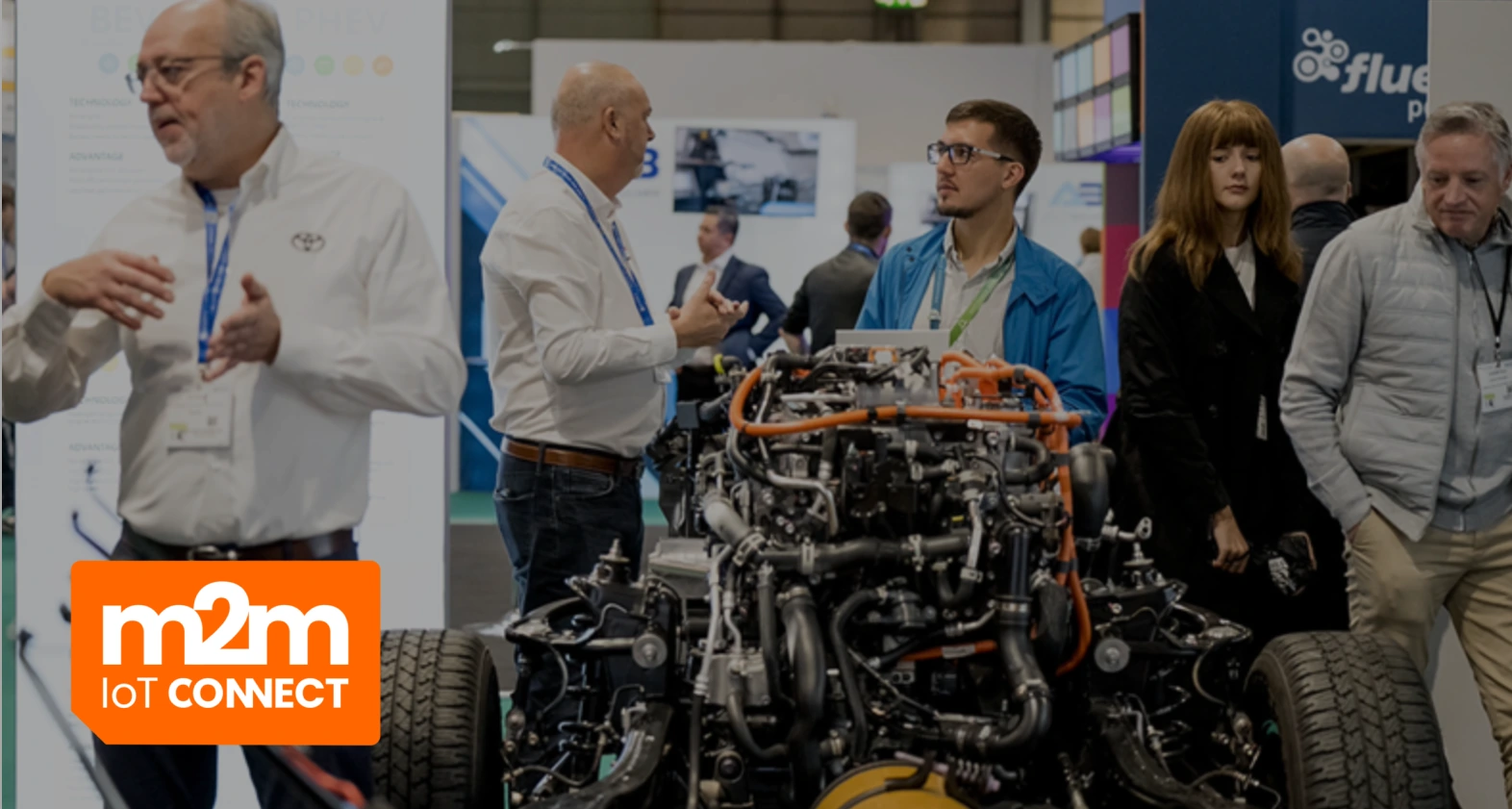
Advanced Engineering 2026 brings together engineers, manufacturers, technology providers and industry leaders at the NEC Birmingham to explore the innovations shaping the future of UK engineering and manufacturing.
From artificial intelligence and industrial automation to connected machinery, advanced materials and sustainable production, the event provides an opportunity to discover how technology is transforming modern engineering.
As manufacturers continue to invest in digital transformation, reliable connectivity, intelligent systems and data-driven operations are becoming increasingly important.
Advanced Engineering offers an opportunity for businesses to explore these developments, meet industry specialists and discover technologies that could support future growth.
Bringing the Engineering and Manufacturing Industries Together
Advanced Engineering is an important meeting point for professionals working across manufacturing, engineering design, production, research and technology development.
The exhibition connects organisations from industries including aerospace, automotive, defence, advanced materials and industrial manufacturing.
Businesses across these sectors face similar challenges, including increasing production costs, supply chain pressures, sustainability requirements and the need to improve operational efficiency.
At the same time, technological innovation is creating new opportunities.
Digital manufacturing systems, robotics, artificial intelligence and connected industrial equipment are helping organisations rethink traditional production processes.
Advanced Engineering provides a setting for exploring these developments, sharing knowledge and building relationships across different engineering disciplines.
Industry 4.0 and Smart Manufacturing
One of the biggest developments influencing modern engineering is the continued adoption of Industry 4.0 technologies.
Industry 4.0 describes the growing integration of connected devices, automation, data analytics and intelligent software within industrial environments.
Rather than relying entirely on manual processes and isolated equipment, manufacturers can increasingly connect machinery, sensors and production systems.
This allows information to move between equipment and management platforms, creating greater visibility across manufacturing operations.
Connected production environments can help businesses identify inefficiencies, monitor equipment and make more informed operational decisions.
For organisations operating multiple production facilities, these technologies can also support more consistent monitoring across different locations.
Industrial IoT and Connected Machinery
The Industrial Internet of Things is playing an increasingly important role in engineering and manufacturing.
Connected sensors and devices can collect information about machine performance, operating conditions, temperature, vibration and other important measurements.
This information can then be transmitted to monitoring systems, allowing engineers and maintenance teams to understand how equipment is performing.
Reliable connectivity is essential for these applications.
Depending on the environment and technical requirements, businesses may use wired networks, private mobile networks, cellular IoT connectivity or other industrial communication technologies.
As manufacturing becomes increasingly connected, selecting appropriate communication infrastructure is becoming an important part of industrial technology planning.
Artificial Intelligence and Predictive Maintenance
Artificial intelligence is creating opportunities to improve how manufacturers analyse information and manage equipment.
By examining historical and real-time operational data, AI-powered systems may help identify patterns that suggest developing maintenance requirements.
This can support predictive maintenance strategies, allowing organisations to investigate potential issues before they result in unexpected equipment failures.
Reducing unplanned downtime can be particularly valuable in manufacturing environments where interruptions affect production schedules and operating costs.
AI can also support quality inspection, production planning and process optimisation.
However, successful implementation depends on reliable data, appropriate system integration and a clear understanding of the operational problems being addressed.
Automation and Robotics in Engineering
Automation is becoming increasingly important across modern manufacturing.
Robotic systems, automated production equipment and intelligent control platforms can help businesses perform repetitive tasks with greater consistency.
These technologies may also support production environments where precision, safety and repeatability are particularly important.
For engineering organisations, automation can create opportunities to improve productivity while allowing skilled employees to focus on more complex work.
As robotics technology develops, the integration of sensors, software and connected systems is becoming increasingly sophisticated.
Advanced Engineering provides an opportunity to explore how these technologies are being applied across different industrial sectors.
Digital Twins and Data-Driven Engineering
Digital twin technology is another development influencing the future of engineering.
A digital twin is a virtual representation of a physical asset, system or process that can be informed by relevant operational data.
Manufacturers can use digital models to support monitoring, analysis and planning.
For example, information from connected machinery may help engineers understand equipment performance or evaluate potential operational changes.
Digital twins can also support product development, testing and lifecycle management.
Combined with Industrial IoT and data analytics, these technologies can help organisations make more informed decisions throughout the engineering process.
Advanced Materials and Sustainable Manufacturing
Sustainability is becoming an increasingly important consideration for engineering and manufacturing businesses.
Organisations are exploring ways to reduce waste, improve energy efficiency, use materials more effectively and lower the environmental impact of production.
Advanced materials and innovative manufacturing techniques can contribute to these objectives.
Lightweight components, composite materials and more efficient production processes may help improve product performance while reducing resource consumption.
Connected monitoring technology can also provide manufacturers with information about energy usage and equipment efficiency.
These developments demonstrate how material innovation and digital technology can work together to support more sustainable industrial operations.
Connectivity for Modern Engineering
As industrial environments become increasingly digital, connectivity is becoming part of the infrastructure supporting everyday operations.
Connected equipment may need to communicate with production management systems, cloud platforms and remote monitoring applications.
For some industrial applications, cellular IoT connectivity can provide an alternative or complement to traditional fixed-network infrastructure.
Data SIMs, eSIM technology and managed connectivity solutions can support equipment that needs to transmit information from factories, remote facilities or distributed locations.
However, connectivity requirements vary significantly depending on the application.
Factors such as coverage, latency, resilience, security and data usage all influence which technology is appropriate.
Understanding these requirements is essential when developing reliable connected engineering systems.
Engineering Innovation Across Industries
One of the strengths of Advanced Engineering is the opportunity to bring different industrial sectors together.
Technologies developed for aerospace manufacturing may also have applications in automotive engineering, defence, energy or other advanced manufacturing environments.
Similarly, developments in sensors, automation, connectivity and digital modelling can create opportunities across multiple industries.
Cross-sector collaboration allows organisations to share experiences and discover approaches that may not traditionally be associated with their own field.
For technology providers and manufacturers, these conversations can lead to valuable partnerships and new commercial opportunities.
Networking and Industry Collaboration
Alongside the exhibition, Advanced Engineering provides opportunities for professionals to meet suppliers, discover technologies and exchange industry knowledge.
Engineers, manufacturers, technology specialists and business leaders can discuss the practical challenges of introducing new systems and improving existing operations.
For businesses exploring digital transformation, speaking directly with technology providers can help clarify which solutions are suitable for particular applications.
Industry events also provide an opportunity to build relationships that continue beyond the exhibition.
Looking Ahead to Advanced Engineering 2026
Advanced Engineering 2026 highlights the importance of innovation, collaboration and technology within the future of UK manufacturing.
Artificial intelligence, industrial automation, connected machinery, advanced materials and data-driven engineering are creating opportunities to improve efficiency, strengthen resilience and develop more sustainable operations.
As manufacturers continue to modernise their processes, the relationship between physical engineering and digital technology will become increasingly important.
Advanced Engineering brings the engineering community together at the NEC Birmingham to explore the technologies, ideas and partnerships shaping the next generation of manufacturing.
Find out more: https://www.thenec.co.uk/events/advanced-engineering/